
Introduction to David Souter
David Souter was a U.S. Supreme Court Justice who served from 1990 to 2009.
He was appointed by President George H.W. Bush and was expected to lean conservative. Instead, he often sided with moderate and liberal blocs, surprising many.
In this article, we explore his impact on American law, his judicial philosophy, and why his influence continues to be felt today.
Early Life and Education
David Souter was born in 1939 in Massachusetts but grew up in New Hampshire.
He attended Harvard University, then Oxford as a Rhodes Scholar, and finally Harvard Law School.
His strong academic background laid the groundwork for a thoughtful and principled legal career.
Career Before the Supreme Court
Before his Supreme Court appointment, Souter served in various legal roles.
He was a New Hampshire Attorney General and later a judge on the First Circuit Court of Appeals.
His experience in state and federal courts gave him a broad view of the law.

Nomination and Confirmation
President George H.W. Bush nominated Souter in 1990.
At the time, he was relatively unknown, which led to the term “stealth justice.”
Despite this, the Senate confirmed him with a strong majority vote.
Judicial Philosophy of David Souter
Commitment to Judicial Restraint
Souter believed courts should avoid activism.
He often deferred to precedent and avoided sweeping rulings.
This cautious approach aligned with his reserved public persona.
Emphasis on Legal Precedent
He viewed the law as evolving through accumulated wisdom.
Rather than radical change, he favored stability and balance in decision-making.
This philosophy showed in cases like Planned Parenthood v. Casey.
Key Supreme Court Cases
Planned Parenthood v. Casey (1992)
Souter co-authored the opinion that upheld Roe v. Wade.
He emphasized liberty and respect for precedent.
This case defined his moderate position on the bench.
Bush v. Gore (2000)
Souter dissented in this controversial decision.
He believed the Court’s intervention risked damaging public trust.
His dissent highlighted his respect for democratic processes.
Kelo v. City of New London (2005)
In this eminent domain case, Souter sided with the majority.
His vote supported the city’s right to take private property for economic development.
The ruling was controversial but consistent with his view of government authority.
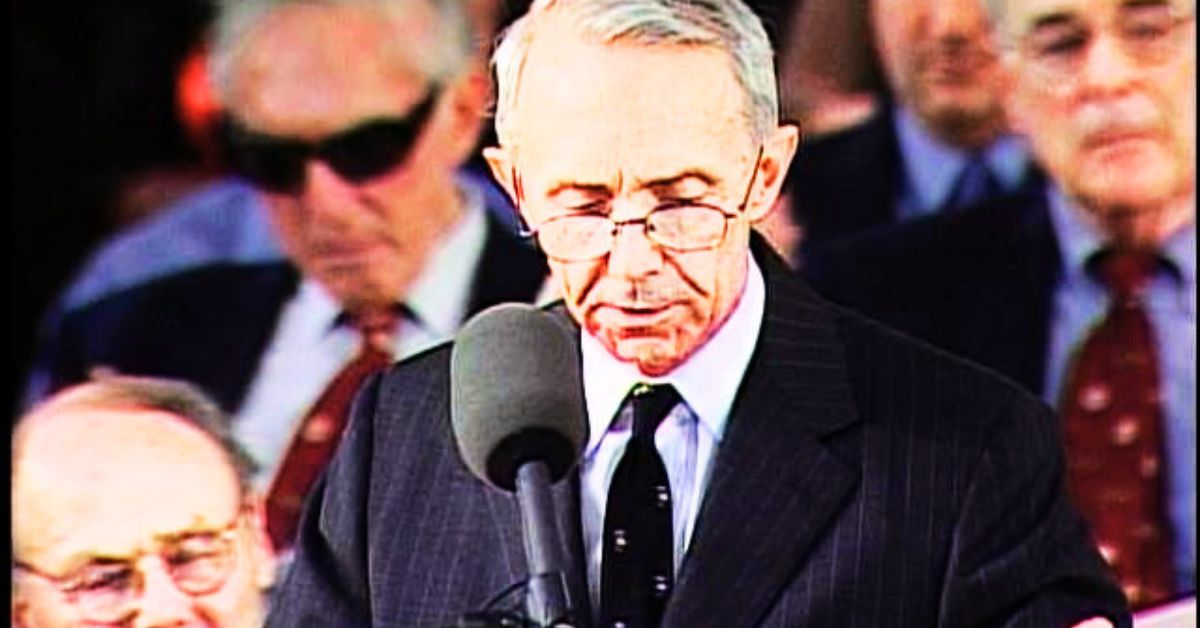
Souter’s Writing and Demeanor
Clear, Concise Writing Style
Souter preferred clarity over rhetoric.
His opinions avoided complex jargon, making them accessible.
This enhanced public understanding of legal reasoning.
Reserved Public Persona
He rarely gave interviews or speeches.
This privacy reinforced his image as a humble, thoughtful justice.
He let his written opinions speak for themselves.
Retirement and Later Life
David Souter retired in 2009.
He returned to New Hampshire, where he leads a quiet life.
He occasionally serves on lower courts by designation.
Legacy of David Souter
Influence on Moderate Jurisprudence
His votes helped shape centrist decisions.
He resisted pressure from political extremes, setting an example for future justices.
Souter’s judicial restraint remains influential in legal debates.
A Model of Independent Thought
Despite expectations, Souter was never a partisan tool.
His independence showed that integrity matters more than ideology.
Law students and judges still study his example today.
Public and Legal Community Reactions
Praise from Legal Scholars
Experts appreciate his consistency and clarity.
He is often cited in law journals and textbooks.
His opinions are used to teach balanced interpretation of law.
Media and Public Views
Media coverage highlighted his unpredictability.
He was often described as the justice who defied expectations.
His legacy continues to inspire thoughtful legal commentary.
Conclusion: Why Souter Still Matters
David Souter showed that the role of a justice is to serve the Constitution, not a political agenda.
His career is a reminder that judicial independence safeguards democracy.
In today’s polarized climate, his example is more relevant than ever.
External Sources: